
Illustrative scenarios showing how evidence-led investigation may address engineering failures, fires, escapes of water and other technical incidents. These examples are not presented as completed FEI instructions or verified case outcomes.
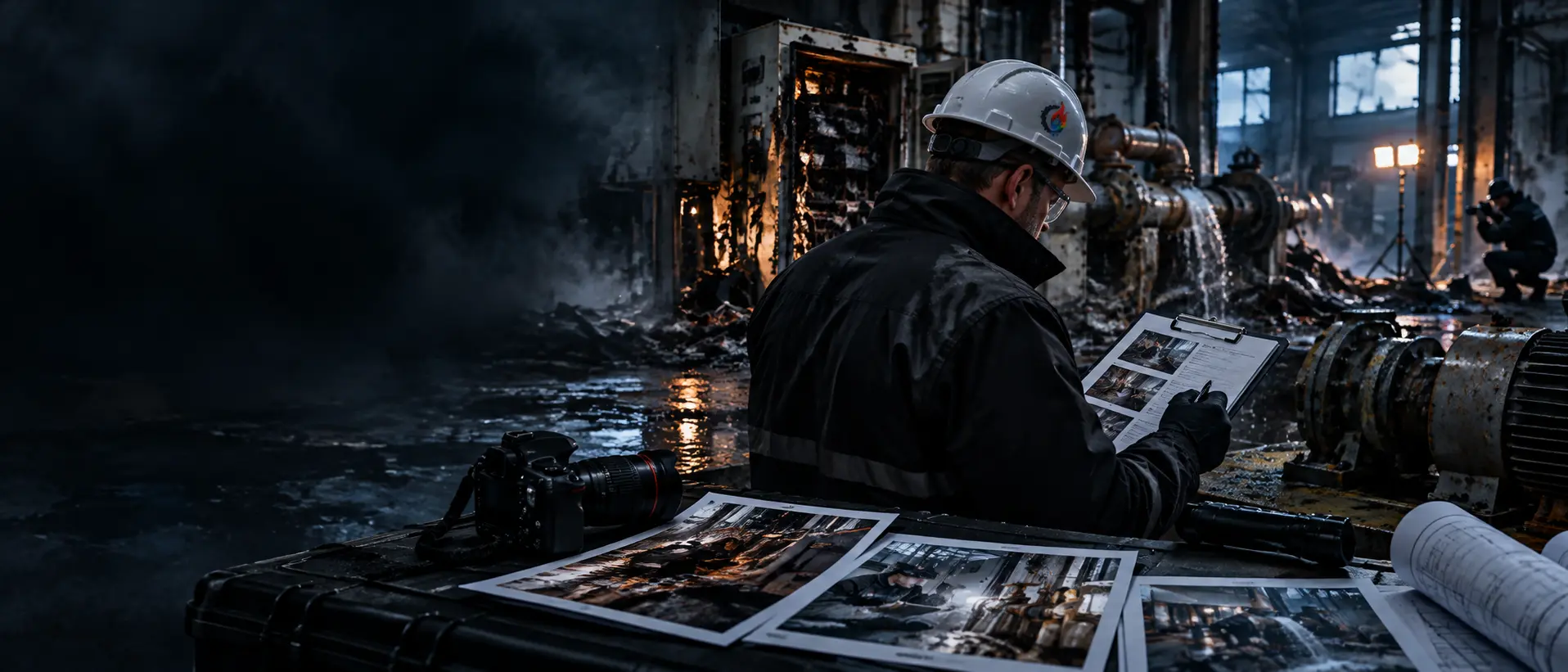
United Kingdom — Anonymised
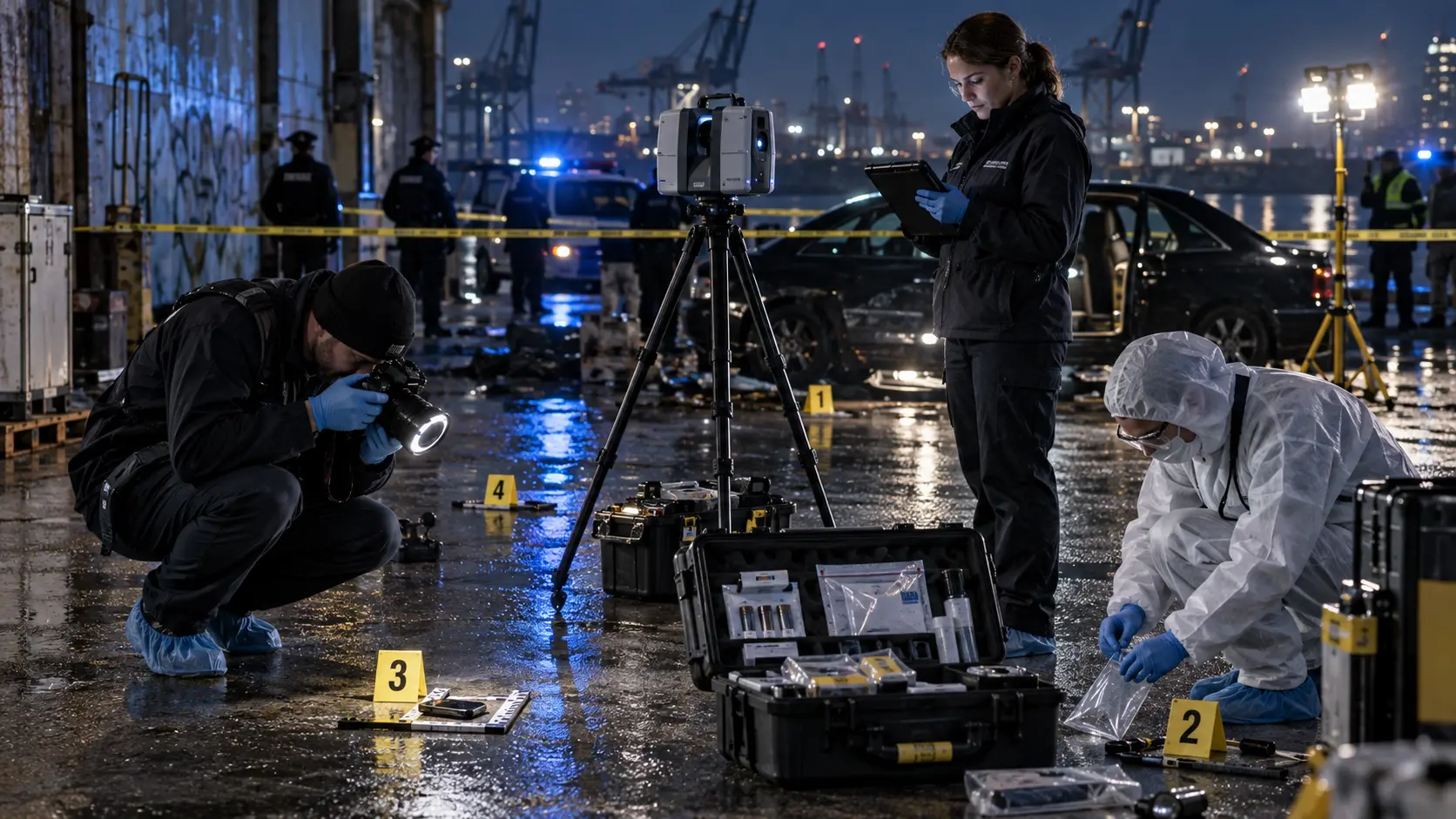
Crime scene engineering and evidential support
A serious incident occurred within a mixed-use commercial property, requiring coordinated examination of the scene and assessment of physical evidence relevant to the sequence of events.
FEI was instructed to provide specialist forensic engineering support, document relevant scene conditions, identify technically significant evidence and assist investigators with interpretation of physical damage and spatial relationships.
The scene was systematically documented using photography, measurements and technical observations. Structural features, damaged components, access points, equipment and relevant physical evidence were assessed while maintaining appropriate evidence-handling and chain-of-custody procedures.
The examination identified several physical features that assisted in establishing the likely sequence of events. Damage patterns, component positions and spatial relationships were compared against competing explanations provided during the investigation.
FEI prepared a structured technical assessment explaining which interpretation was most consistent with the documented physical evidence, while clearly identifying evidential limitations and areas requiring further specialist examination.
Crime Scene Support Forensic Engineering Scene Documentation Evidence Recovery Support Technical Reconstruction Evidential Reporting
United Kingdom — Anonymised
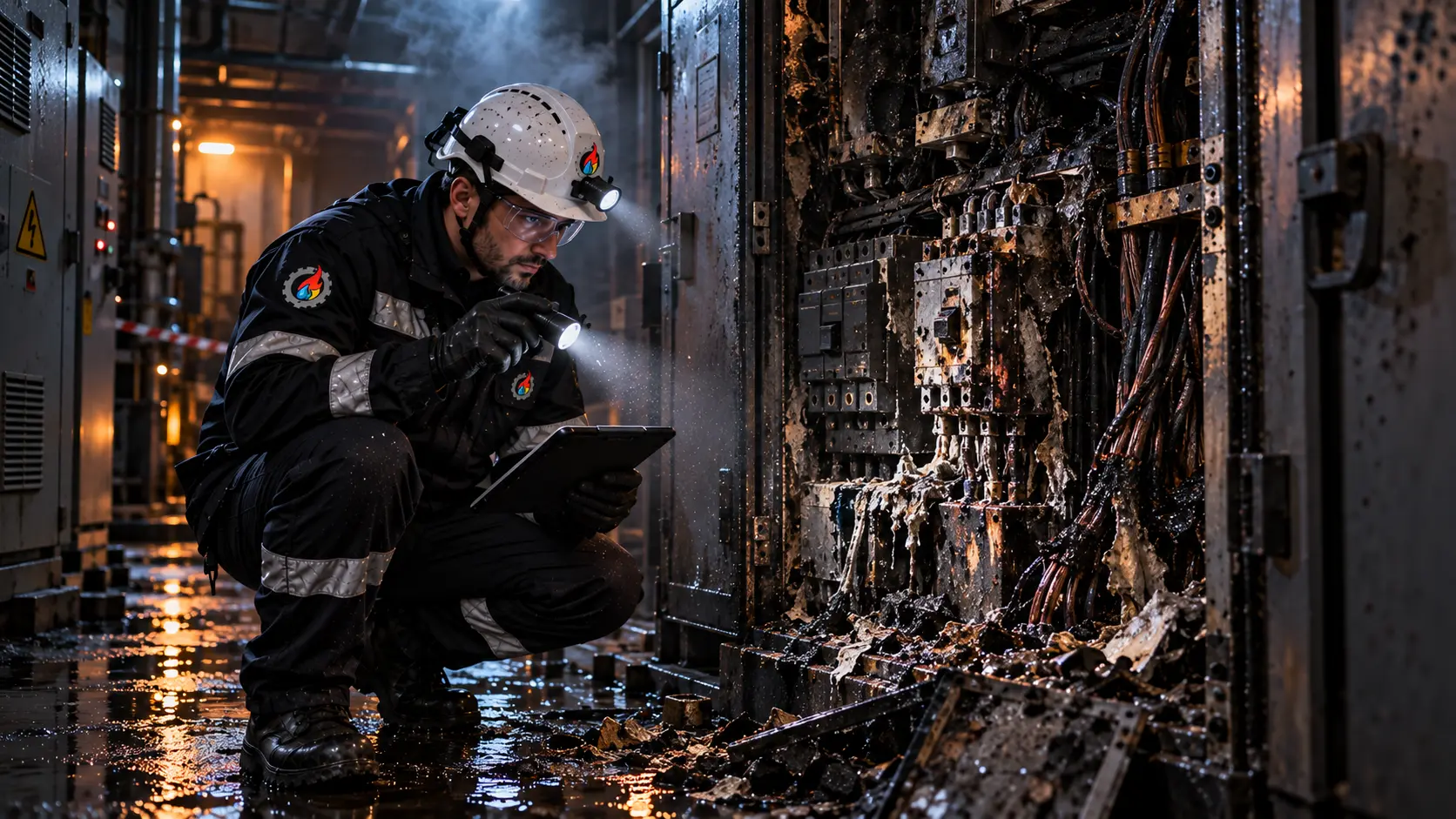
Technical fire investigation
A fire developed within a commercial premises and significant thermal damage was identified around electrical and mechanical equipment.
FEI was instructed to examine the technical evidence and assess possible electrical, mechanical and external ignition scenarios.
Damage patterns, component condition, electrical equipment, available photographs, maintenance history and witness information were reviewed.
Thermal effects and physical damage were considered in conjunction with alternative ignition hypotheses and the surrounding scene context.
The available evidence was used to identify the explanation most consistent with the observed damage while documenting relevant limitations.
Fire Investigation Electrical Failure Review Evidence Analysis Technical Expert Reporting
United Kingdom — Anonymised
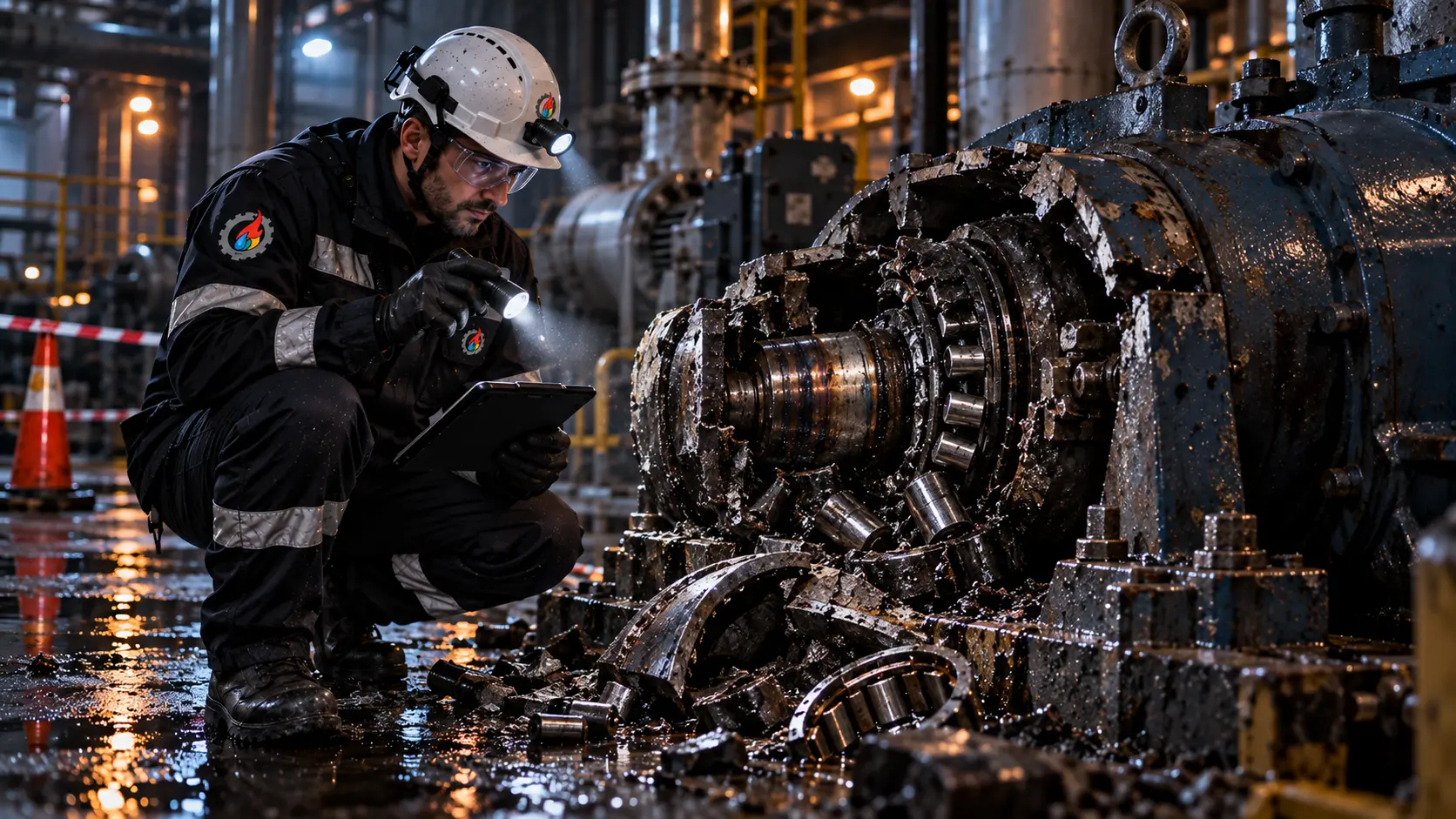
Machinery failure investigation
Operational failure occurred within a rotating machine, resulting in bearing seizure, associated component damage and unplanned shutdown.
FEI was asked to determine the likely sequence of mechanical failure and assess possible lubrication, alignment and operational causes.
Bearing surfaces, wear patterns, lubrication evidence, shaft condition, maintenance records and operational history were reviewed.
Damage distribution and surface condition provided evidence regarding the chronology of failure and the mechanisms active before final seizure.
A probable failure sequence was established by comparing physical findings with the documented operating history.
Plant & Machinery Investigation Mechanical Failure Analysis Wear Assessment Expert Engineering Review
United Kingdom — Anonymised
Material degradation assessment
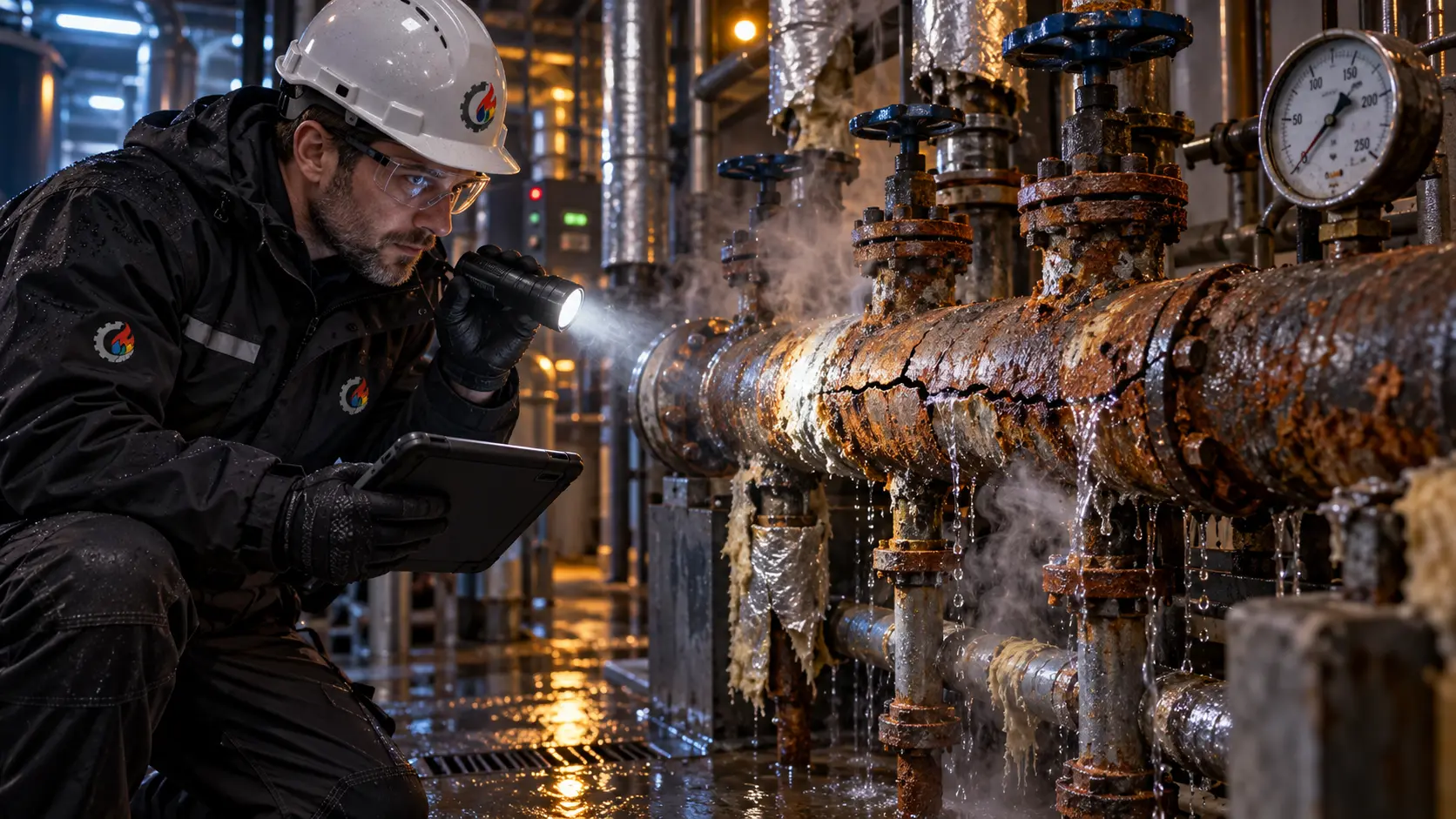
Leakage developed around a pressurised hot-water manifold after visible cracking and localised deterioration occurred within the component.
The investigation was required to establish whether the damage resulted from material defect, installation conditions, service environment or progressive degradation.
Component condition, fracture locations, corrosion patterns, system operating conditions and available maintenance history were reviewed.
The physical evidence indicated progressive deterioration concentrated around areas of elevated mechanical and environmental stress.
The observed failure was assessed against plausible degradation mechanisms and a reasoned explanation was provided based on the evidence available.
Material Failure Analysis Building Services Corrosion Investigation Technical Reporting
Republic of Ireland — Anonymised
Failure mechanism investigation
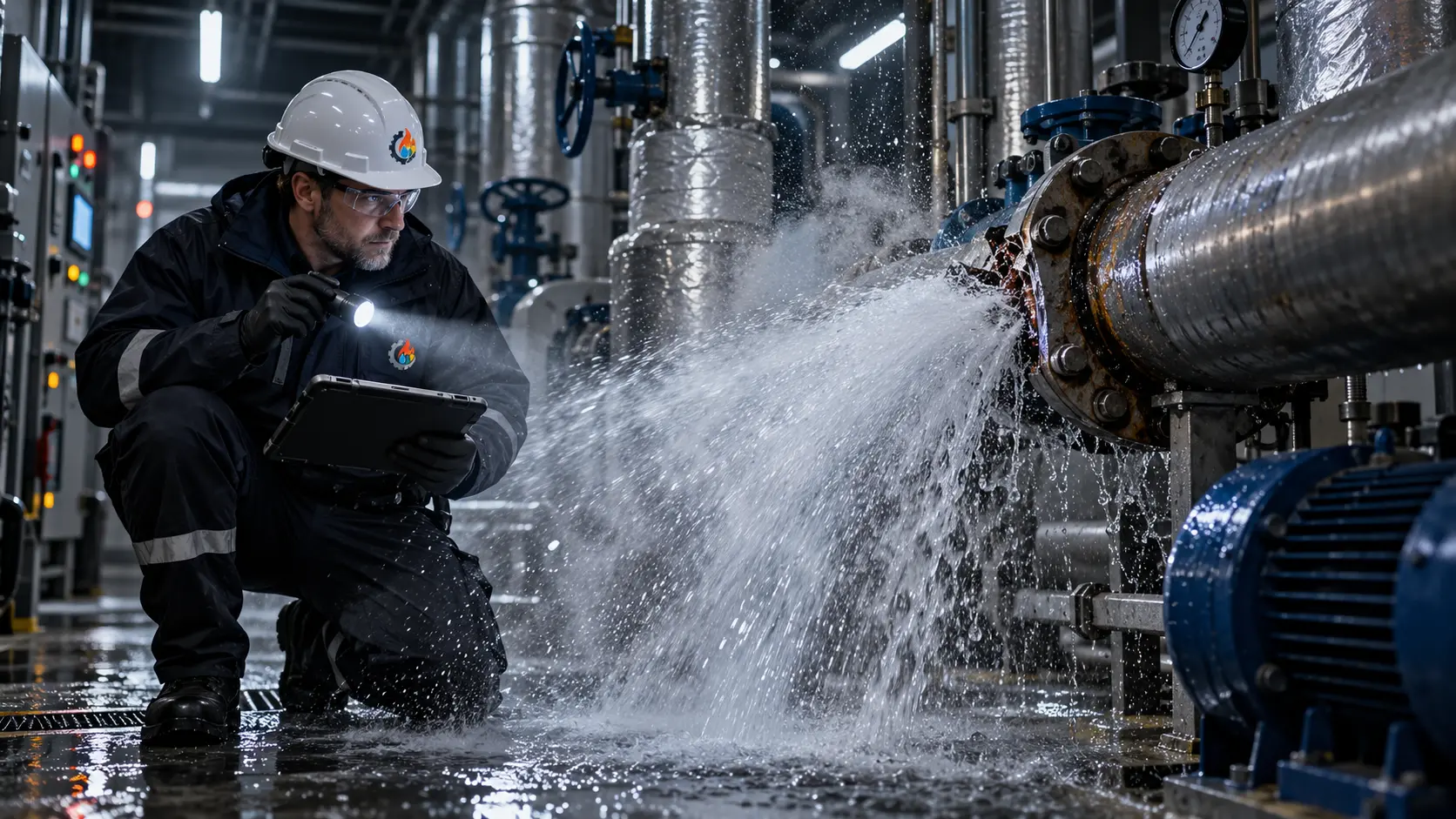
A section of pressurised pipework failed within a commercial plant room, resulting in sudden loss of system integrity and consequential damage.
FEI was instructed to determine the probable cause of the pipework failure and assess whether installation, material condition or operational factors contributed.
The failed section, joints, support arrangements, system pressure conditions, installation records and maintenance information were examined.
Failure characteristics were assessed against excessive pressure, fatigue, installation stress, material deterioration and joint-related mechanisms.
The evidence enabled competing hypotheses to be evaluated and a technically supported failure sequence to be established.
Forensic Engineering Pipework Failure Analysis Building Services Investigation Expert Technical Review
United Kingdom — Anonymised
Technical causation assessment
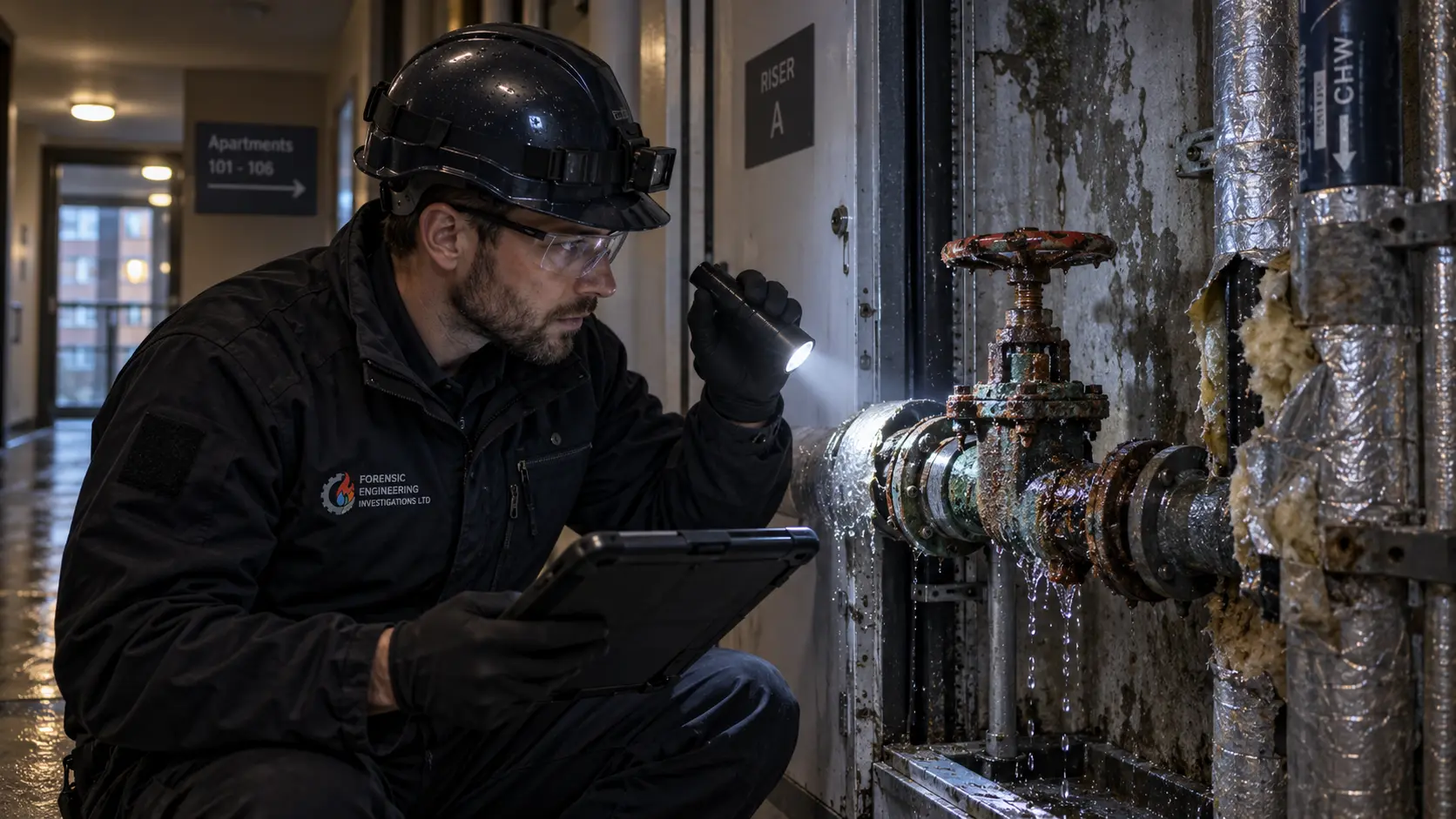
A substantial escape of water was reported from an HVAC system serving a multi-storey residential building, resulting in damage to surrounding finishes and occupied areas.
FEI was instructed to assess the available physical and documentary evidence and determine the probable mechanism of failure.
The valve assembly, system configuration, installation condition, maintenance records and available photographic evidence were reviewed.
Observed damage patterns were compared against potential installation defects, material degradation, abnormal operating conditions and maintenance-related factors.
A reasoned technical opinion was prepared identifying the failure mechanism considered most consistent with the available evidence.
Forensic Engineering Escape of Water Investigation Failure Analysis Technical Reporting Mechanical Failure Analysis
Republic of Ireland — Anonymised
Failure mechanism investigation
A section of pressurised pipework failed within a commercial plant room, resulting in sudden loss of system integrity and consequential damage.
FEI was instructed to determine the probable cause of the pipework failure and assess whether installation, material condition or operational factors contributed.
The failed section, joints, support arrangements, system pressure conditions, installation records and maintenance information were examined.
Failure characteristics were assessed against excessive pressure, fatigue, installation stress, material deterioration and joint-related mechanisms.
The evidence enabled competing hypotheses to be evaluated and a technically supported failure sequence to be established.
Forensic Engineering Pipework Failure Analysis Building Services Investigation Expert Technical Review
United Kingdom — Anonymised
Technical fire investigation
A fire developed within a commercial premises and significant thermal damage was identified around electrical and mechanical equipment.
FEI was instructed to examine the technical evidence and assess possible electrical, mechanical and external ignition scenarios.
Damage patterns, component condition, electrical equipment, available photographs, maintenance history and witness information were reviewed.
Thermal effects and physical damage were considered in conjunction with alternative ignition hypotheses and the surrounding scene context.
The available evidence was used to identify the explanation most consistent with the observed damage while documenting relevant limitations.
Fire Investigation Electrical Failure Review Evidence Analysis Technical Expert Reporting
United Kingdom — Anonymised
Technical causation assessment
A substantial escape of water was reported from an HVAC system serving a multi-storey residential building, resulting in damage to surrounding finishes and occupied areas.
FEI was instructed to assess the available physical and documentary evidence and determine the probable mechanism of failure.
The valve assembly, system configuration, installation condition, maintenance records and available photographic evidence were reviewed.
Observed damage patterns were compared against potential installation defects, material degradation, abnormal operating conditions and maintenance-related factors.
A reasoned technical opinion was prepared identifying the failure mechanism considered most consistent with the available evidence.
Forensic Engineering Escape of Water Investigation Failure Analysis Technical Reporting Mechanical Failure Analysis
United Kingdom — Anonymised
Crime scene engineering and evidential support
A serious incident occurred within a mixed-use commercial property, requiring coordinated examination of the scene and assessment of physical evidence relevant to the sequence of events.
FEI was instructed to provide specialist forensic engineering support, document relevant scene conditions, identify technically significant evidence and assist investigators with interpretation of physical damage and spatial relationships.
The scene was systematically documented using photography, measurements and technical observations. Structural features, damaged components, access points, equipment and relevant physical evidence were assessed while maintaining appropriate evidence-handling and chain-of-custody procedures.
The examination identified several physical features that assisted in establishing the likely sequence of events. Damage patterns, component positions and spatial relationships were compared against competing explanations provided during the investigation.
FEI prepared a structured technical assessment explaining which interpretation was most consistent with the documented physical evidence, while clearly identifying evidential limitations and areas requiring further specialist examination.
Crime Scene Support Forensic Engineering Scene Documentation Evidence Recovery Support Technical Reconstruction Evidential Reporting
United Kingdom — Anonymised
Material degradation assessment
Leakage developed around a pressurised hot-water manifold after visible cracking and localised deterioration occurred within the component.
The investigation was required to establish whether the damage resulted from material defect, installation conditions, service environment or progressive degradation.
Component condition, fracture locations, corrosion patterns, system operating conditions and available maintenance history were reviewed.
The physical evidence indicated progressive deterioration concentrated around areas of elevated mechanical and environmental stress.
The observed failure was assessed against plausible degradation mechanisms and a reasoned explanation was provided based on the evidence available.
Material Failure Analysis Building Services Corrosion Investigation Technical Reporting
United Kingdom — Anonymised
Machinery failure investigation
Operational failure occurred within a rotating machine, resulting in bearing seizure, associated component damage and unplanned shutdown.
FEI was asked to determine the likely sequence of mechanical failure and assess possible lubrication, alignment and operational causes.
Bearing surfaces, wear patterns, lubrication evidence, shaft condition, maintenance records and operational history were reviewed.
Damage distribution and surface condition provided evidence regarding the chronology of failure and the mechanisms active before final seizure.
A probable failure sequence was established by comparing physical findings with the documented operating history.
Plant & Machinery Investigation Mechanical Failure Analysis Wear Assessment Expert Engineering Review
Each instruction is scoped proportionately. Work may include initial appraisal, scene attendance, evidence review, joint examination, testing through appropriately accredited laboratories, reconstruction or simulation, and written opinion. The method used will depend on the available evidence, the questions instructed and the applicable procedural requirements.
Initial appraisal of the instruction, available evidence and technical questions.
Conflict checks, scope, objectives and relevant technical questions agreed.
Scene attendance, examination, photography and evidence preservation, where required.
Review of relevant photographs, drawings, specifications, maintenance records and reported operating conditions.
Laboratory testing and comparative analysis, where appropriate, using appropriately accredited laboratories and qualified specialists where required.
Clear, proportionate written opinion. Reporting compliant with the relevant procedural rules where expert evidence is instructed.
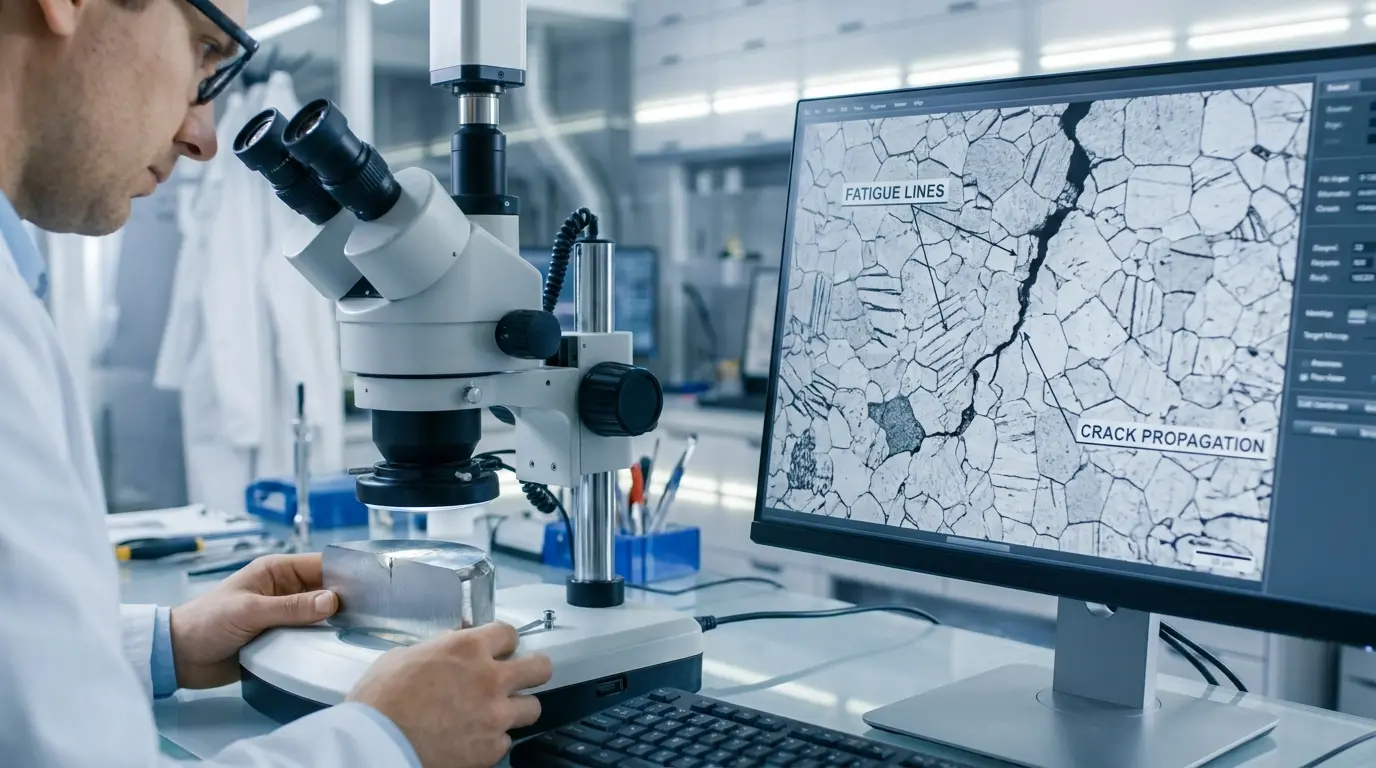
Physical evidence is assessed alongside scene records, component condition, installation, operation and maintenance history. Reasonable alternative explanations are considered, with specialist testing used where required. The resulting opinion identifies its evidential basis, assumptions and limitations.
Speak with the Principal Forensic Engineer to discuss the incident, the available evidence and the proportionate next step.